A Stoneworld Group Company

For most domestic driveways, 20mm angular gravel is a suitable choice because it provides a durable surface and is less prone to movement than rounded stones. Popular options include Golden Gravel and Cotswold Yellow Gravel for a decorative finish, while self-binding gravel is worth considering if you prefer a firmer, more compacted surface. The best choice depends on how frequently your driveway is used, its gradient and the level of maintenance you prefer.
| Gravel | Loose or self-binding | Colour | Best for | From price |
|---|---|---|---|---|
| Yellow Self-Binding Gravel | Self-binding | Yellow | Firm, low-maintenance driveways and paths | £122.50 per bulk bag |
| Cream Self-Binding Gravel | Self-binding | Pale cream | Modern homes wanting a bright, clean finish | £122.50 per bulk bag |
| Golden Gravel | Loose | Gold, amber and brown | Driveways where appearance matters most | £102.30 per bulk bag |
| Cotswold Yellow Gravel | Loose | Pale yellow | Period, rural and countryside properties | Request a quote |
Prices exclude VAT. Free samples are available on each product page.
Angular gravel is generally recommended for domestic driveways because its shape helps the stones settle together and reduces movement under vehicle tyres. For a traditional appearance, Cotswold Yellow Gravel offers a pale limestone finish, while Golden Gravel provides warmer tones. Both require a suitable sub-base and edging to maintain a stable surface.

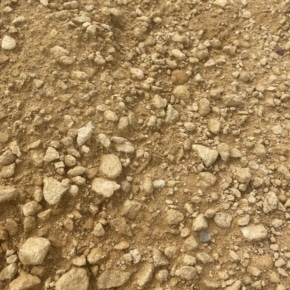
20mm angular gravel is the best size for most driveways. The angular stones lock together under the weight of vehicles, giving a firm, stable surface that resists rutting and spreading. Smaller 10mm gravel moves more easily and can get caught in tyre treads. Larger stones such as 40mm feel uneven to walk and drive on. 20mm gravel strikes the right balance between grip, durability and comfort underfoot.
| Gravel size | Suitable for driveways? | Why |
|---|---|---|
| 6–10mm | No | Moves under tyres and gets caught in treads |
| 14mm | Not ideal | Better suited to paths and light foot traffic |
| 20mm | Yes (recommended) | Locks together for a firm, stable driving surface |
| 40mm | No | Uneven and uncomfortable to walk and drive on |
Not sure how much gravel your project requires? Take a look at our guide: “How to calculate the amount of gravel you need for your project.”

No, rounded pea shingle is not recommended for driveways. Its smooth, rounded shape means the stones roll under tyres instead of locking together, so the surface ruts, spreads and needs regular raking. For a stable driveway, choose an angular gravel such as 20mm Golden Gravel or Cotswold Yellow. If you prefer the look of a rounded stone, lay it in a gravel stabilisation grid with firm edging.
The best stones for a driveway are typically 20mm angular gravel or self-binding gravel, depending on the finish and level of maintenance required.
For most domestic driveways, angular gravel offers a practical balance of appearance, stability and durability.
Mixed and warmer tones, such as Golden Gravel, hide tyre marks, mud and oil better than pale stones. The natural blend of golds, ambers and browns disguises everyday wear on a busy driveway. Paler options such as Cream Self-Binding Gravel give a bright, modern finish but show dirt more easily. Choose a colour that suits your property: Cotswold Yellow and Golden Gravel complement period and stone-built homes, while cream tones suit contemporary properties.
Driveway gravel should be laid to a depth of 50–60mm over 100–150mm of compacted MOT Type 1 sub-base. A geotextile membrane laid beneath the gravel stops weeds coming through and prevents the gravel mixing with the sub-base. For a step-by-step method, read our full guide on how to lay a gravel driveway.
How much gravel will I need? Use our guide on how to calculate how much gravel you need for your project to work out the right quantity before you order.
Choosing the right driveway gravel depends on your property’s style, how frequently the driveway is used and the finish you prefer. The table below compares Stoneworld’s popular gravel options to help you select a suitable material.
| Gravel Type | Appearance | Surface Type | Best Suited For | Maintenance |
|---|---|---|---|---|
| Yellow Self-Binding | Warm golden | Compacted finish | Country properties, estates, footpaths | Low |
| Cream Self-Binding | Pale, clean tone | Compacted finish | Contemporary homes, private roads | Low |
| Golden Gravel | Mixed warm tones | Loose aggregate | Decorative driveways with edging | Medium |
| Cotswold Yellow Gravel | Creamy traditional tone | Loose aggregate | Period properties, rural homes | Medium |
To stop driveway gravel from moving, use angular stones, secure edging and a properly compacted sub-base. These help reduce spreading, rutting and uneven surfaces caused by regular vehicle traffic.
For loose decorative gravel, gravel stabilisation grids can provide additional support, particularly in areas where vehicles frequently turn or brake.
Regular maintenance also helps preserve the driveway’s appearance. Rake loose gravel to redistribute displaced stones, remove weeds when necessary and top up areas where the surface has become thin.
Self-binding gravel generally requires less frequent raking because its finer particles compact together to create a firmer finish, although occasional maintenance may still be necessary.

For most domestic driveways, 20mm angular gravel is a practical choice, offering durability, natural appearance and improved stability compared with rounded stones.
If low maintenance is your priority, self-binding gravel provides a firmer, compacted finish. For a decorative driveway, Golden Gravel and Cotswold Yellow Gravel offer attractive options that complement both traditional and contemporary properties.
The right gravel depends on your driveway’s usage, gradient and preferred appearance.
Stoneworld’s team can help you choose suitable materials for your project. Visit our Oxfordshire showroom, request samples or contact us for expert advice on driveway gravel and bulk orders.

Please call us on 01844 279274 or email us at sales@stoneworld.co.uk for any further advice you require. Our knowledgeable staff are always on hand for tips and advice. Alternatively, you can fill in the enquiry form below and one of our team will be in touch shortly. You can also book a visit to our showroom here.

 sales@stoneworld.co.uk
 01844 279274