 sales@stoneworld.co.uk
 01844 279274





Natural Stone Paving
Our stone paving collection covers sandstone, limestone and selected other stones in a range of colours, sizes and surface finishes. Whether you are designing a contemporary terrace in sawn, straight edged paving or a traditional garden in tumbled, time worn flagstones, we can supply stock formats or cut paving to size in our on site workshop. For complex schemes, our team can also coordinate paving with steps, copings and other masonry elements so the whole package works together on site.
Featured Products


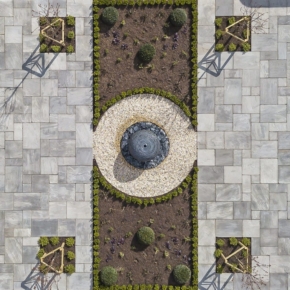


- You share outline drawings, site photos or mood imagery so we can understand the type of project, likely loading and preferred aesthetic.
- We help you select the stone type, finish and format, agreeing whether stock sizes, project packs or cut‑to‑size paving will work best.
- Our workshop fabricates any bespoke pieces, applies agreed edge profiles and carries out checks on thickness and finish before packing.
- We arrange UK‑wide delivery to site, with our team on hand to answer technical questions during installation and beyond.
Hand-Cut
Our hand-cut paving features a naturally fettled edge with subtle indentations, delivering an authentic, characterful finish. We also offer a machine sawn edge to allow a narrower pointing edge whilst retaining the natural riven surface.


Tumbled
The softened edges and time-worn appearance of our tumbled paving range creates a time-worn appearance, as if the stone has aged naturally over time.
Sawn
Our sawn paving features clean, machine-cut edges that create a contemporary, precise finish. The paving is sawn on six sides and is available in two surface finishes: sandblasted (textured) and honed (polished, low sheen).

The ‘best’ stone for paving depends on the project brief, location, expected traffic, and maintenance approach rather than a single universal answer. Sandstone paving is often well suited to garden patios and paths, offering strong durability, natural colour variation, and a riven surface that sits comfortably within planting schemes. Limestone paving can be an ideal choice where a more refined appearance and consistent colour are required, provided the correct thickness, finish, and drainage are specified for the setting. In higher-demand areas, or where a very specific performance standard is needed, we may recommend particular stones or finishes once we understand the technical constraints of the site.
Both sandstone and limestone can perform well on patios when they are correctly selected and detailed for the environment. Sandstone often provides more visible riven texture and tonal variation, while limestone tends to deliver a smoother look and more uniform colour. Choice will normally come down to slip requirements, exposure, cleaning expectations and how the patio ties in with steps, copings and interior finishes. Where there is any uncertainty, our team can guide you towards stones with a proven track record in similar projects rather than relying on generic advice.
Get inspired


Stone Paving FAQ’s
-
How thick should natural stone paving be for a patio?

For most domestic patios and garden paths, natural stone paving in the 25–35 mm thickness range is commonly used when laid on a suitable base. The right thickness for your project will depend on the sub‑base design, bedding and expected traffic, so we recommend confirming requirements with your contractor or engineer before ordering.
Read More → -
How to lay a natural stone patio
Read this to learn all you need to know about the best way to lay a natural stone patio. These recommendations apply for all our sandstone paving products. Please read […]
Read More → -
How to remove blooming from new paving joints where resin jointing compound has been used
The blooming is a temporary state, and will disappear with weathering. However, sometimes this is not a satisfactory solution What is Jointing Compound? Jointing compounds containing resin have become very […]
Read More → -
How to remove rust staining from Kandla Grey Paving
My Kandla Grey patio has discoloured, can it be restored? We know the feeling when you suddenly notice rust stains on your once beautiful and shining patio. If you are […]
Read More → -
Paving: 8 reasons why you should choose natural stone over concrete
Whether you are looking for a new patio or driveway, paving is a good choice to use for your design. However, sometimes the choice of materials can be overwhelming. This […]
Read More → -
Is natural stone paving suitable for driveways?
Certain natural stones and formats can be used for light‑use driveways when correctly specified with appropriate thickness and a properly engineered base. Not every paving stone is suitable for vehicular loading, so it is important to discuss traffic levels and build‑up with our team and your installer before selecting a product.
Read More → -
What finish is best for non‑slip stone paving?
Textured surfaces such as riven, sandblasted or finely flamed finishes typically offer better grip externally than very smooth, honed faces. However, exact slip performance can vary between stones, so where a formal slip rating is required we advise checking available test data and, if necessary, choosing a more textured option.
Read More → -
Can I order bespoke sizes or edge details for my paving?
Yes, Stoneworld can cut many stones to bespoke sizes and apply edge profiles such as bull‑nose, pencil‑roll or chamfered edges in our own workshop. This is especially useful where you need paving to align with custom steps, copings or thresholds, or where a standard project pack does not suit the design.
Read More → -
Does natural stone paving need sealing and special maintenance?
Some projects benefit from sealing, particularly where there is a high risk of staining or heavy use, but sealing is not universally mandatory. Routine cleaning with appropriate products and sensible site design, such as good falls and drainage, will do as much for long‑term appearance as any treatment, so we suggest taking a balanced, stone‑specific approach rather than assuming one solution fits all.
Read More →


