 sales@stoneworld.co.uk
 01844 279274





Natural Stone Pool Copings
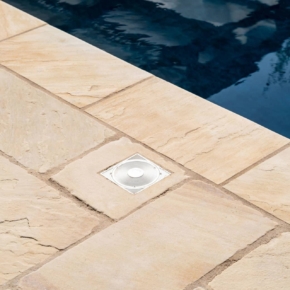
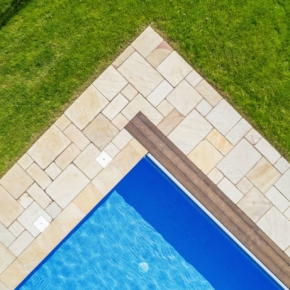
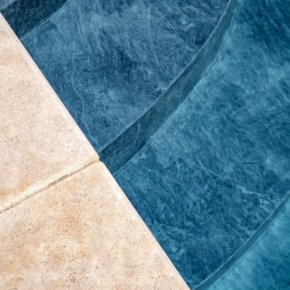
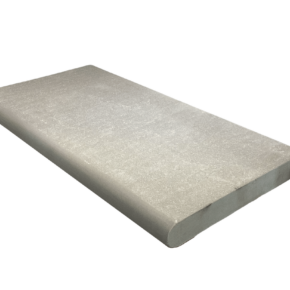
Natural stone pool copings give your swimming pool a smart, architectural edge while protecting the shell and providing a safe, comfortable poolside surface. Stoneworld fabricates precision‑made natural stone pool copings for skimmer and deck‑level pools, using dense limestones such as La Roche and Kota Brown, as well as carefully selected sandstones that perform reliably in wet, high‑traffic environments. All pool coping stones are manufactured in‑house using digital templating and advanced cutting, ensuring accurate fit, long‑term durability and a cohesive finish across your Pool & Spa area.
Featured Products






What material is best for natural stone pool copings?
The best natural stone for pool copings depends on pool type, climate, maintenance expectations and how the surrounding landscape is used. Dense limestones, granites and carefully chosen sandstones can provide a robust, long term solution, giving a timeless look that works in both contemporary and traditional settings. In many schemes, the coping stone is selected to match or complement the pool paving stone so that the entire surround reads as a single, coherent package rather than a mix of unrelated finishes.


How thick should natural stone copings be?
Most natural stone copings are produced between about 30 mm and 50 mm thick, which generally provides the right balance of stiffness, edge durability and handling weight.
Some decklevel or special profile designs may use variable thickness or multipiece arrangements to integrate falls and channels into the coping system. Final decisions on thickness should always be made in conjunction with the pool contractor or engineer, with span, support and loading properly considered.
Technical guidance on specifying natural stone copings
When specifying natural stone pool copings, the starting point is the pool’s hydraulic design: skimmer, deck level or overflow. This determines the relationship between the coping and the shell, as well as any channels, grilles or expansion joints. Key variables then include stone type, thickness, surface finish, edge profile and module size, together with how copings meet corners, steps, cover pits and any adjoining terraces. Digital templating allows us to capture the as built geometry and fabricate copings that respect joint lines, radii and tolerances, reducing cutting and adjustment on site.
Learn More About Digital Templating


Slipconscious performance and maintenance
Slip resistance around pools is influenced by stone finish, detailing and water management rather than a single “nonslip” claim. Textured finishes on limestones such as La Roche, or sandblasted surfaces on other stones, are chosen to provide good grip under bare feet while remaining practical to clean. Where a particular slip rating is required, it should be based on test data for the exact stone and finish, rather than generic figures. Over the life of the pool, realistic maintenance is essential, appropriate sealers, sensible water chemistry and periodic cleaning using suitable products all help natural stone copings continue to perform and weather well.
Get inspired


Natural Stone Pool Copings FAQs
-
What Is The Best Pool Coping?

There is no single best pool coping. The right one depends on the material, size, finish and how much maintenance you are prepared to take on. A pale, uniform sandstone such as White Mint reads clean and Mediterranean; a textured limestone such as Kota Brown reads earthy and rural, and needs less upkeep.
This guide covers the five things to decide before you choose, compares two very different stones side by side, and explains which edge profile suits which material.
Read More → -
Can I match natural stone copings to my pool paving?
Yes, natural stone copings can be fabricated from the same stone as the surrounding paving or selected to complement it, creating a consistent pool surround.
Read More → -
Are natural stone copings suitable for saltwater pools?
Many dense limestones and sandstones can be used in saltwater pools when correctly specified, detailed and maintained, but the pool builder should always confirm suitability for the specific system.
Read More → -
Can you reproduce existing copings for refurbishments?
We can work from digital templates, physical samples or surveys to reproduce or reengineer coping layouts in new stone while coordinating with the existing pool shell and new paving.
Read More → -
What edge profiles are available in natural stone?
Common profiles include full bullnose, half bullnose, pencilroll and dropnose edges, with drip grooves or undercuts added where required to manage water.
Read More → -
Do natural stone copings need sealing?
Sealing is often recommended to help manage staining and ease cleaning, but the choice of product and frequency of application should be aligned with the specific stone, finish and maintenance regime.
Read More → -
How to Clean and Maintain Pool Copings
Keep pool copings clean with a simple routine: brush off debris, wash with clean water, and use a dedicated patio cleaner for stubborn grime. Natural stone benefits from an impregnating, breathable sealer if it is porous, while porcelain needs no sealing at all. Neither is maintenance free.
This guide covers what to use and what to avoid, how sealing works around a pool, why falls and drainage matter, and how to deal with algae, salt residues and rust marks.
Read More →


