sales@stoneworld.co.uk
 01844 279274





Interior design is moving in a clear direction: calmer spaces, natural textures, larger formats and materials that feel both beautiful and practical. Homeowners, designers and architects are no longer choosing surfaces purely on colour. They are looking for materials that shape the atmosphere of a room, connect indoor and outdoor spaces and stand up to everyday life.
Porcelain and Natural Stone both sit at the heart of this trend. One offers clean lines, consistency and low maintenance. The other brings depth, variation and the kind of character that only comes from the earth. Used well, both can create interiors that refined, grounded, built to last.


What Counts as a Large Format Tile?
Large-format porcelain has become a key choice in contemporary interiors because it creates a clean, uninterrupted look. Bigger tiles mean fewer grout lines, which gives floors and walls a more seamless appearance. This works especially well in open-plan kitchens, hallways, bathrooms, and living areas where the aim is to make the space feel larger and more considered. Explore our large-format porcelain options.

Soft greys, warm beiges, limestone tones, marble effects, and concrete-inspired finishes are particularly popular. They provide a neutral foundation without feeling plain. This allows joinery, furniture, lighting and architectural features to take centre stage.
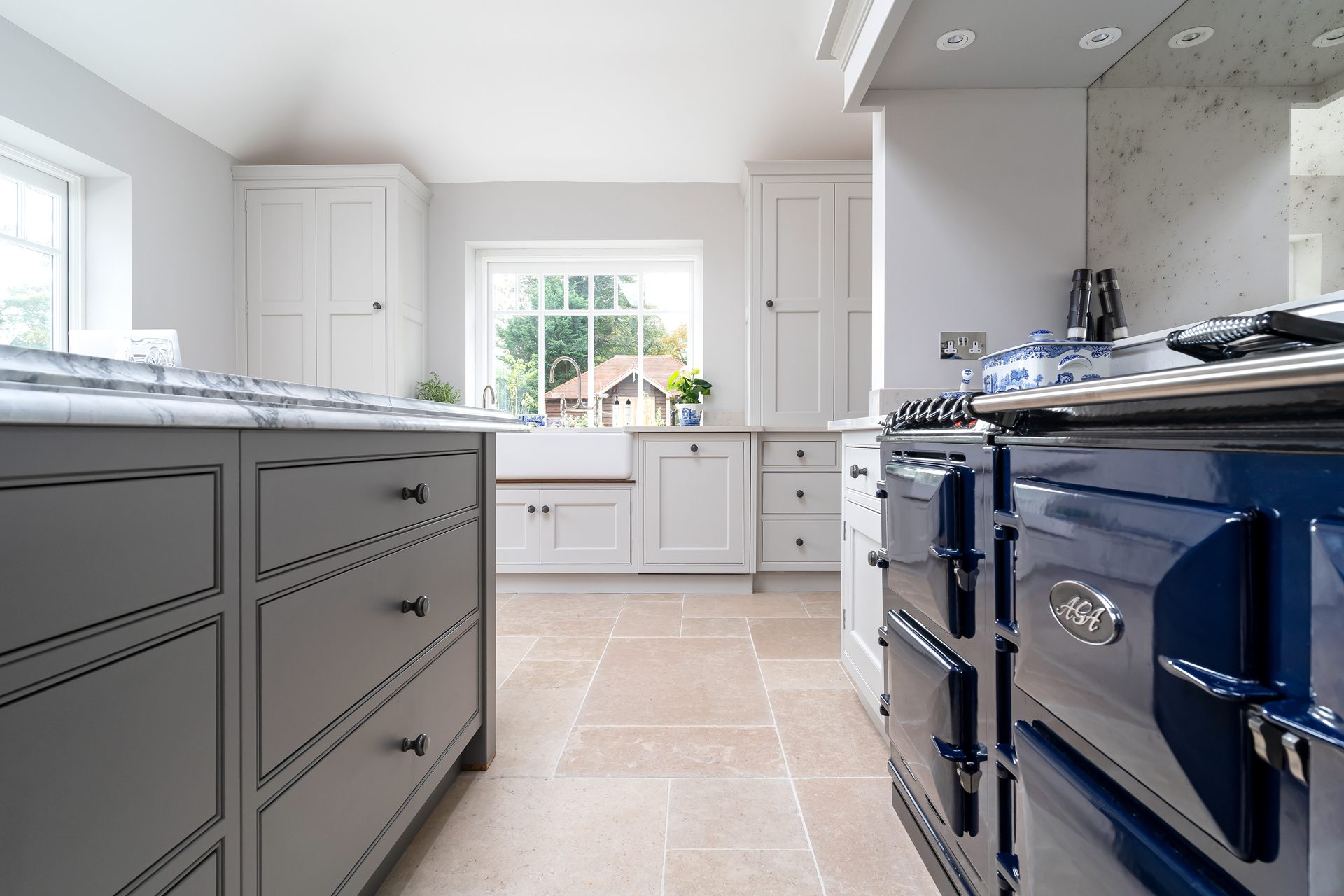
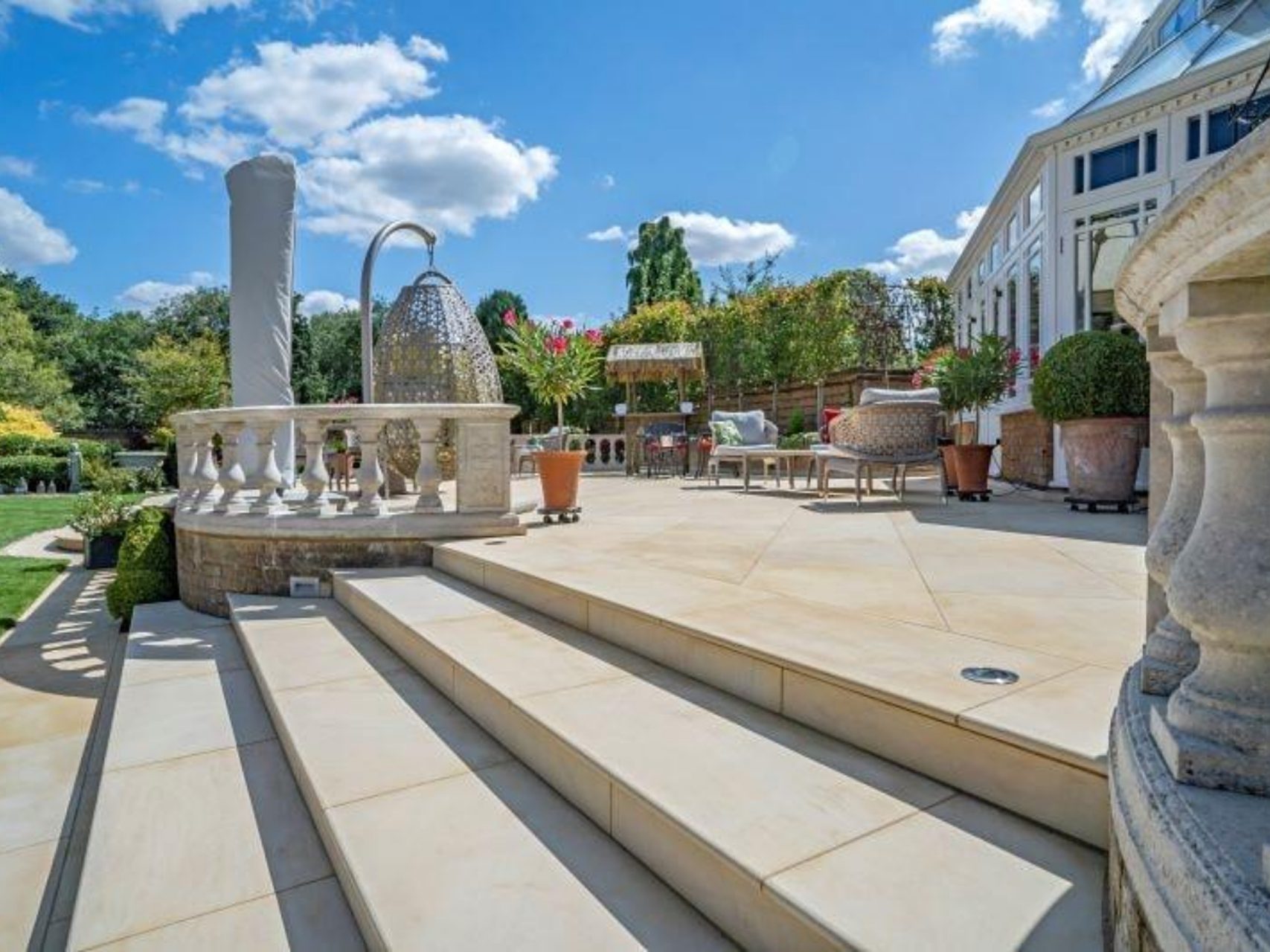
For modern homes, porcelain is a strong design choice because it brings consistency. If a client wants the same tone across several rooms or wants to connect an interior floor with an outdoor terrace, porcelain makes that easier to achieve. Matched indoor and outdoor finishes can create a smooth visual flow from kitchen to garden, which remains one of the strongest trends in residential design.


Porcelain or Natural Stone: How to Choose
Alongside the clean look of porcelain, there is also a growing demand for authenticity. This is where natural stone comes into its own.
Limestone, marble, slate, quartzite, and Bath Stone all bring natural variation. No two pieces are the same and that is the point. Subtle movement, fossil markings, veining, texture and tonal shifts give a room depth and personality.


Natural stone works particularly well in entrance halls, staircases, fireplaces, feature walls, bathrooms and kitchens where the material becomes part of the architecture rather than just a surface finish. It has a permanence that feels traditional but still works beautifully in contemporary interiors.


Honed and brushed finishes are especially popular because they feel softer and more understated than polished stone. They create a refined, lived-in look that improves with age. In many interiors, that gentle patina is exactly what gives the space its long-term charm.


Why Designers Are Mixing Porcelain and Natural Stone
The strongest interiors are not always about choosing one material over another. Increasingly, designers are using porcelain and natural stone together.
Porcelain might be used for large, practical floor areas where easy maintenance and consistency are important. Natural stone can then be introduced through stair treads, thresholds, cladding, vanity tops, fireplaces, skirtings, or bespoke details.
This creates balance. The porcelain gives the space structure and calm. The stone brings individuality and warmth.
For example, a kitchen could use a large-format porcelain floor for a clean, modern base, paired with natural stone windowsills or a stone feature wall. A hallway could use
limestone flooring with matching stone thresholds to create a more traditional, premium feel. A bathroom could combine porcelain wall tiles with a natural stone vanity piece for texture and contrast.
This approach feels more layered, more bespoke and more aligned with current interior design trends.
Colour Trends: Warm Neutrals, Soft Greys and Earthy Tones
The biggest colour movement in interiors is away from cold, flat greys and towards warmer, natural tones.
Warm greys, creams, buffs, taupes, soft beige, ivory, limestone shades and muted greens are all in demand because they create interiors that feel calm and liveable. These colours also work well with timber, bronze, brushed brass, soft black, plaster finishes and natural fabrics.


Darker stones and porcelains still have their place, especially in large rooms where they can ground the space. Deep grey, charcoal, slate and green marble-effect finishes can bring drama when used with restraint.


For most projects, the safest and most timeless route is a natural neutral palette with texture. It gives the client flexibility and protects the design from dating too quickly.
Texture Is Now a Design Feature
Texture is no longer just a practical consideration. It is part of the visual language of a room.
Matt porcelain reduces glare and gives a softer, more architectural finish. Honed stone feels smooth and refined without looking overly polished. Brushed stone adds grip and character, making it a good option for busier areas such as kitchens, hallways, utilities and boot rooms.


The key is to match the texture to the use of the space. A bathroom floor needs more grip than a living room floor. A hallway needs to handle grit and foot traffic. A kitchen needs to be easy to clean but not slippery. The best interiors are designed around real use, not just showroom appeal.
Best Rooms for Large Format Tiles (Kitchens, Bathrooms, Hallways)
Bathrooms continue to be one of the strongest areas for porcelain. Large-format tiles reduce grout lines, making the room feel cleaner and more spacious. Marble-effect porcelain is especially popular for clients who want the look of marble with simpler maintenance.


Natural stone can also work beautifully in bathrooms when specified correctly. Dense stones, suitable finishes and proper sealing are important. Used on vanity tops, wall cladding, floors or feature details, stone gives bathrooms a more luxurious and tailored feel.
In kitchens, porcelain is often chosen for its low maintenance and stain resistance. It suits busy family homes where durability matters. Natural stone, however, brings warmth and authenticity, especially in country homes, period properties and high-end interiors.
Hallways and entrances are where natural stone really makes an impact. These are transitional spaces but set the tone for the whole home. A limestone or marble floor immediately gives a property a sense of quality and permanence.
Bespoke Details Make the Difference
The difference between a good interior and a great interior is often in the details.
Thresholds, stair treads, skirtings, windowsills, vanity tops, hearths, cladding and edge profiles can all be made to suit the project. These elements help tie the interior together and create a more complete finish.
Stoneworld can cut and fabricate both porcelain and natural stone for bespoke interior details. This allows designers and clients to move beyond standard tiles and create pieces that fit the project properly.


For stairs, natural stone can be supplied with pencil, chamfered or anti-slip nosings. Porcelain can be mitred for a clean, monolithic look. For thresholds, matching materials across doorways keeps the design calm and avoids awkward visual breaks.
These are small details, but they have a major impact on the finished space.
A Practical Trend With Long-Term Value
The current move towards porcelain and natural stone is not just about appearance. It reflects a broader shift towards materials that are durable, practical and timeless.
Porcelain is popular because it delivers a clean, contemporary look with straightforward maintenance. Natural stone remains desirable because it offers character, provenance and long-term appeal.
Both materials work well with underfloor heating, and both can suit modern or traditional interiors depending on the format, colour and finish chosen.
The best choice comes down to the role of the room. Use porcelain where consistency, low maintenance and large-format impact are the priority. Use natural stone where character, depth and bespoke detailing matter most.
Large Format Tile Sizes and Formats Available
Interior design trends come and go, but good materials endure. Porcelain and natural stone continue to lead because they offer the right mix of style, performance and longevity.
For a calm, contemporary interior, large-format porcelain creates clean lines and visual flow. For a warmer, more characterful space, natural stone brings texture, variation and a sense of permanence. Used together, they can deliver interiors that feel considered, elegant and built for real life.
Whether you are designing a kitchen, bathroom, hallway, living space or full interior scheme. Stoneworld can help with product selection, samples, bespoke cutting, interior flooring, wall cladding, stairs, thresholds and matching indoor-to-outdoor finishes.