 sales@stoneworld.co.uk
 01844 279274





Aggregates
Stoneworld supplies decorative stone aggregates in a range of sizes and stone types to suit landscape, garden and architectural applications. Selection of the appropriate aggregate involves matching the material character, size fraction and drainage properties to the specific use, as the same stone type in different gradings can perform very differently in service.
Browse Aggregate Products
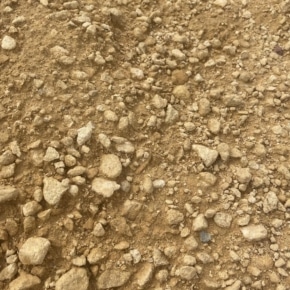


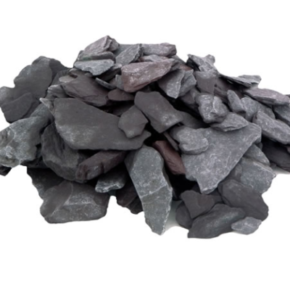


Decorative stone aggregates cover a range of loose or bound stone materials used in garden surfaces, drainage layers, planting borders, path dressings and as infill within larger hard landscaping schemes. From fine limestone chippings used as a path surface or planting mulch through to coarser gravels used for permeable driveway areas and drainage blankets, aggregates are a practical and visually versatile component of many exterior projects.
Stoneworld supplies decorative stone aggregates in a range of sizes and stone types to suit landscape, garden and architectural applications. Selection of the appropriate aggregate involves matching the material character, size fraction and drainage properties to the specific use, as the same stone type in different gradings can perform very differently in service.

Pebbles
Decorative pebbles will complete your garden make over. They can be used in various ways to enhance landscaping schemes. Try them around plants as a decorative mulch to suppress weeds, or place them in dry riverbed schemes.
Slates and Mulches
Slate mulches and chippings can be used around the garden to create paths, suppress weeds, or as a decorative covering around other garden ornamentation.


Gravel
There are many different colours and sizes of gravel available for landscaping. Our selection will ensure you can create a unique garden for your project.
Stone aggregates vary primarily by material type and grading. The material affects the colour, texture and weathering character of the finished surface, while the grading determines how the aggregate behaves underfoot, how it drains and how it binds together over time. The correct combination depends on whether the aggregate is being used as a loose surface, a bound path dressing, a drainage layer or a decorative infill.
Limestone chippings are widely used for path and driveway surfaces because they are pale, relatively consistent in colour and compact reasonably well underfoot. Gravel mixes in softer tones, including pea gravel and flint-based materials, are often used in planted areas and garden settings where a more informal surface character is preferred. Angular crushed stone of various types is commonly used as a drainage aggregate in sub-base layers or as a permeable surface where water management is a priority.
Aggregate used as a surface material needs to be selected with its functional performance in mind alongside its appearance. A surface aggregate that is too fine will displace underfoot and spread onto adjacent paving. One that is too coarse can be uncomfortable to walk on and difficult to maintain neatly. Where the aggregate borders planted areas or gravel gardens, an edging restraint that contains the material should be part of the overall design.
Colour and stone type will change in appearance when wet, so decisions made on a dry sample should be tested against the wet appearance to ensure the expected result is achievable in service. Some aggregates also bleach or fade over time in strong sunlight, which is worth considering for south-facing areas exposed to prolonged direct light.
Stone aggregate is also a critical component of paving build-ups, drainage blankets and SUDs-compatible driveway systems. In these applications, the aggregate grading, permeability and compaction resistance are the primary criteria rather than surface appearance. Where a project requires a permeable driveway or courtyard, the aggregate specification should be developed alongside the drainage design rather than selected independently.
Stoneworld can advise on suitable aggregate types for drainage applications where the aggregate forms part of a wider stone-paved scheme, ensuring that the practical drainage requirements and the surface aesthetic work together rather than in conflict.


