 sales@stoneworld.co.uk
 01844 279274





Natural Stone Wall Copings
Stoneworld supplies and fabricates wall copings in natural stone for projects ranging from garden walls and entrance boundaries through to larger architectural and landscape schemes. A well-designed coping does more than cap the wall. Its thickness, projection, drip detailing, joint layout and relationship to piers, gate posts and adjacent steps all affect how durable and visually resolved the finished masonry will be.


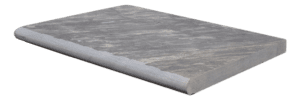


What should wall copings do?
Wall copings are intended to throw water clear of the wall face and protect the wall construction from repeated saturation. This usually involves some degree of overhang and a drip groove or underside detail that helps prevent water tracking back towards the masonry below. The coping also needs to suit the scale of the wall. A narrow garden wall may need a simple, clean top detail, while a larger entrance or retaining wall may call for heavier units with more visual presence.
On many projects, the coping line also contributes strongly to the overall appearance of the setting. Straight, level copings can reinforce a crisp formal layout, while more substantial or profiled pieces can make boundary walls feel more established and architectural.
View All Natural Stone Wall Copings
Material and fabrication options
Natural stone wall copings can be fabricated in limestone, sandstone and other selected stones depending on the scheme, exposure and visual intent. Units may be supplied as simple flat copings, weathered copings with a central apex, or more profiled arrangements to suit traditional and contemporary projects alike. Matching pier caps, steps and threshold details can also be fabricated where the wall forms part of a larger entrance or landscape package.
The benefit of fabricated stone copings is that lengths, widths, overhangs and edge profiles can be developed around the actual wall construction rather than limited to a narrow standard range. This is especially useful on projects where corners, curves, piers or stepped wall levels need to be resolved cleanly.
Technical guidance on specifying wall copings
When specifying wall copings, the main variables include wall width, coping projection, material thickness, profile, finish, jointing strategy and whether the units need drips on one or both sides. Exposure conditions and the scale of the wall should inform the final detail. Longer runs also need a considered joint layout so the coping line remains visually balanced rather than made up of awkward small pieces.
Where walls change direction, rise on steps or meet piers and columns, the special units should be considered from the start rather than improvised during installation. Fabricating corners, junctions and matching caps as part of the initial package usually gives a far cleaner result and reduces site cutting.
Stoneworld Articles

Stoneworld Hosts Its First CPD Session of the Year for Garden Designers and Architects
The session was delivered by Ellie, our Sales Director at Stoneworld. Ellie guided attendees through the material knowledge, technical considerations and practical project examples that support better stone specification. Our […]
READ MORE →
Stoneworld Celebrates 25 Years of Natural Stone
Reaching this milestone is a proud moment for the business. For a quarter of a century, Stoneworld has supported projects of every scale, from private gardens and family homes to […]
READ MORE →
Where to find the equivalent of Scoutmoor paving now in the UK
Scoutmoor Yorkstone has been a premium British sandstone traditionally specified for heavily trafficked public-realm paving because of its exceptional strength, durability and slip resistance. The stone has been used to pave many streets of London […]
READ MORE →Wall Copings FAQs
-
Why are wall copings important?

They help protect wall construction from weather exposure and give the top of the wall a properly finished edge.
Read More → -
Can wall copings be matched with pier caps?
Yes, copings and pier caps are often produced as coordinated elements within the same stone package.
Read More → -
What profile should I choose?
That depends on the wall style, exposure and architecture. Some projects suit simple flat copings, while others need weathered or more profiled units.
Read More → -
Are bespoke wall copings available for curves or corners?
Yes, special units can be fabricated to resolve corners, curves, stepped levels and non-standard wall widths.
Read More → -
Can wall copings be used in contemporary and traditional designs?
Yes, the final look depends on the stone, finish and profile selected rather than the coping function itself.
Read More →


